


Sources

Added vs. Naturally Occurring Sugars:
- The term “sugar” refers specifically to sucrose, while “sugars” includes all mono- and disaccharides, like glucose, fructose, and lactose.
- Sugars are a type of simple carbohydrate that our cells and body use as a source of energy.
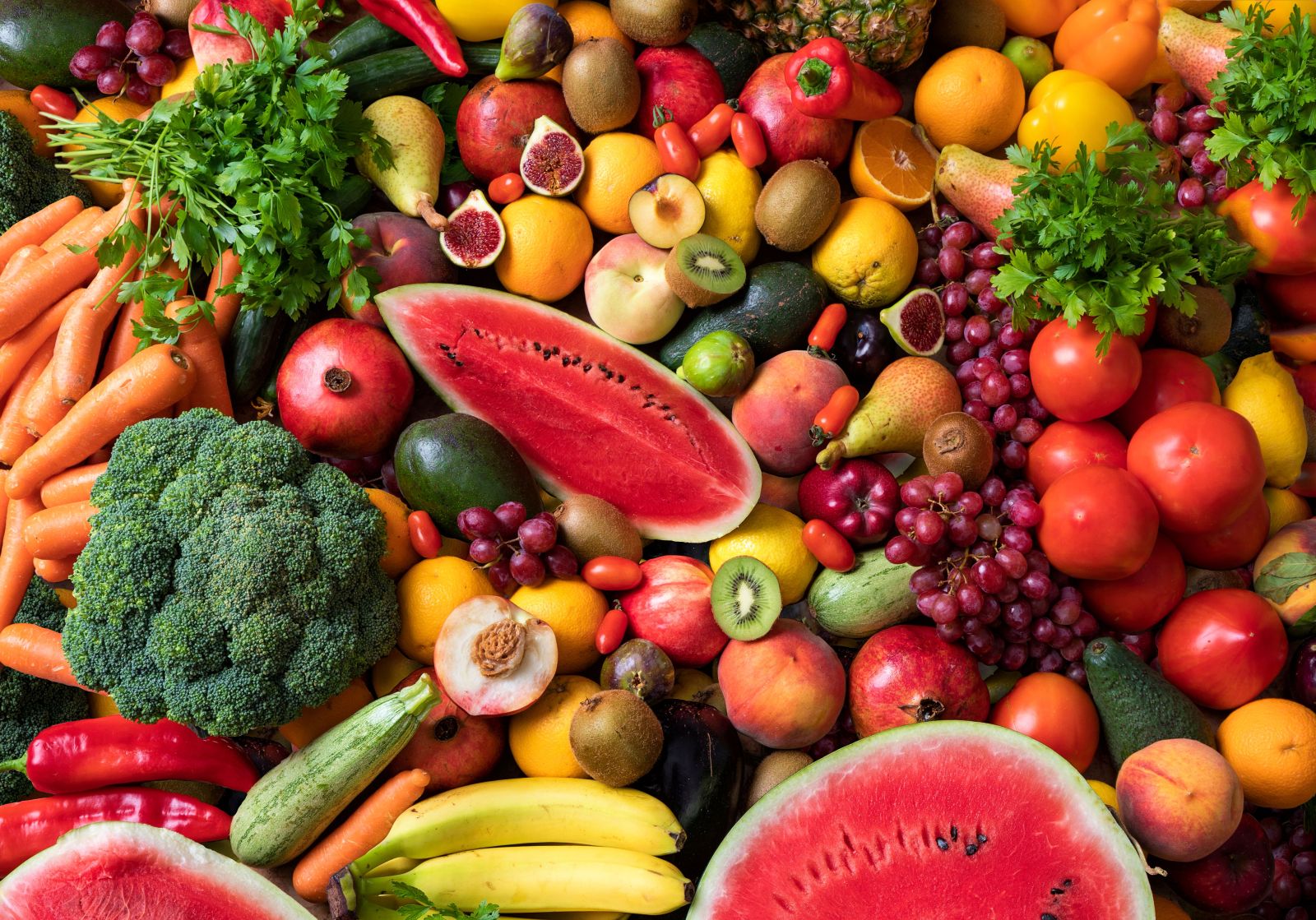
- You can find sugar (sucrose) naturally in fruits and vegetables along with other simple sugars, such as glucose and fructose. Sugar beets and sugar cane are more concentrated sources of sucrose, which is extracted into crystalline table sugar and added to foods at home and by food manufacturers.
- Naturally occurring and added sugars have the same composition and are both used as a source of energy.
- Excess calories, whether from sugars or other foods and beverages, are stored as body fat when consumed in excess of the body’s energy needs.
- Other sugars-based ingredients, including molasses, honey, maple syrup, and high fructose corn syrup, provide similar nutritional values and energy content to sugar.
Key Information about Sugars:
- We typically eat sugar as part of a food or beverage rather than on its own. Other components of the food like fibre, starch, protein, and vitamins and minerals, can impact the food’s nutritional value.
- When we eat fruits and vegetables, we get important nutrients like vitamins, minerals, and fibre. Health Canada suggests getting most of your sugars from naturally occurring sources, like fruits, vegetables, and unsweetened dairy products (1).
- Confectionery and desserts can have higher amounts of added sugars, saturated fat, and calories. Canada’s Food Guide recommends choosing these types of foods less often (2).
- Small amounts of added sugars can improve the flavour of nutritious foods, like whole grains, breakfast cereals, and flavoured yogurts. Sugar also provides many other functional roles in foods such as helping bread rise, browning in baked goods, balancing acidity in sauces, and acting as a preservative in jams and jellies.
- Most scientific evidence linking added sugars with negative health impacts are based on sugars-sweetened beverages providing excess energy intake (3).
For more information, additional resources include:
- Webpage - Sources of Sugar
- Fact Sheet - Frequently Asked Questions: Sources of Sugars
References:
- Health Canada. Sugars: Sugars and Your Health. https://www.canada.ca/en/health-canada/services/nutrients/sugars.html
- Canada’s Food Guide. Limit Highly Processed Foods. https://food-guide.canada.ca/en/healthy-eating-recommendations/limit-highly-processed-foods/
- Chiavaroli L, et al. Important food sources of fructose-containing sugars and adiposity: A systematic review and meta-analysis of controlled feeding trials. Am J Clin Nutr. 2023;117(4):741-65.


